
bruno silva, dr. cabanès: flor da pele
consultório project room, Chamusca, Portugal, 2025


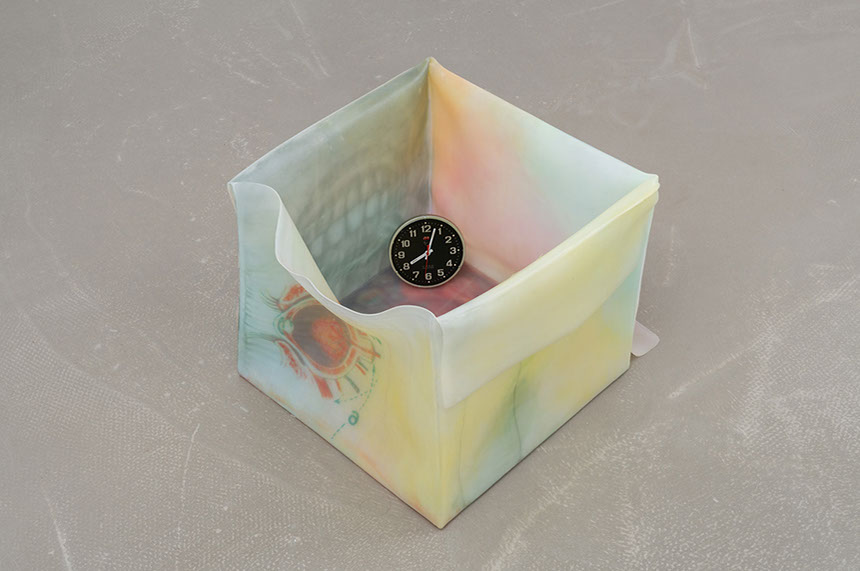
f — 2025
transferts d’impressions jet d’encre sur colle blanche
résine époxy, vernis anti-UV, objets trouvés
36 x 52 x 43,5 cm

f — 2025
transferts d’impressions jet d’encre sur colle blanche
résine époxy, vernis anti-UV, objets trouvés
36 x 52 x 43,5 cm

o — 2025
transferts d’impressions jet d’encre sur colle blanche
résine époxy, vernis anti-UV, objets trouvés
33 x 43 x 40 cm

r — 2025
transferts d’impressions jet d’encre sur colle blanche
résine époxy, vernis anti-UV, objets trouvés
28 x 44,5 x 34,5 cm

r — 2025
transferts d’impressions jet d’encre sur colle blanche
résine époxy, vernis anti-UV, objets trouvés
28 x 44,5 x 34,5 cm

t — 2025
transferts d’impressions jet d’encre sur colle blanche
résine époxy, vernis anti-UV, objets trouvés
23 x 30 x 31 cm

u — 2025
transferts d’impressions jet d’encre sur colle blanche
résine époxy, vernis anti-UV, objets trouvés
19 x 31,5 x 26 cm

u — 2025
transferts d’impressions jet d’encre sur colle blanche
résine époxy, vernis anti-UV, objets trouvés
19 x 31,5 x 26 cm

n — 2025
transferts d’impressions jet d’encre sur colle blanche
résine époxy, vernis anti-UV, objets trouvés
17 x 23 x 21 cm

a — 2025
transferts d’impressions jet d’encre sur colle blanche
résine époxy, vernis anti-UV, objets trouvés
10 x 13,5 x 16 cm


amargura — 2025
écorces de pamplemousse déshydratés
dimensions variables

page de route 23 — 2025
texte transféré au mur avec du papier hectographique pour tatouages

amargura — 2025
écorce d’orange conservée dans de la colle blanche
20x14x2 cm

baba boca — 2025
récipient de cuisine pour escargot, dents en plastique
4,5x4x3 cm

page de route 24 — 2025
texte transféré au mur avec du papier hectographique pour tatouages

blue e clarinha — 2025
œufs d'agapone non fécondés
dimensions variables
Autour de l'exposition flor da pele
www.consultorioprojectroom.com/bruno-silva-dr-cabans-flor-da-pele
2025
In Flor da Pele, Bruno Silva has the unusual and involuntary collaboration of Augustin Cabanès (1862-1928), a French doctor and lover of the arts who studied its relationship with medicine.
Taking Esculape chez les Artistes as his starting point, a book published by Cabanès in 1928, Bruno Silva goes beyond the obvious relationships established in this essay and expounds on the skin, not just as a casing or a thin translucent film that hides the inside and protects it from the outside, but also as a plastic support, moldable and capable of holding images. These ambivalences are, in fact, common in Bruno Silva's practice and are often highlighted through assemblages of unusual materials and free associations, similar to the digestive process in which disparate ingredients are ingested, digested and transformed.
A multiple was released by esculápio artist editions.